Product 01
Banana Industrial Fibers
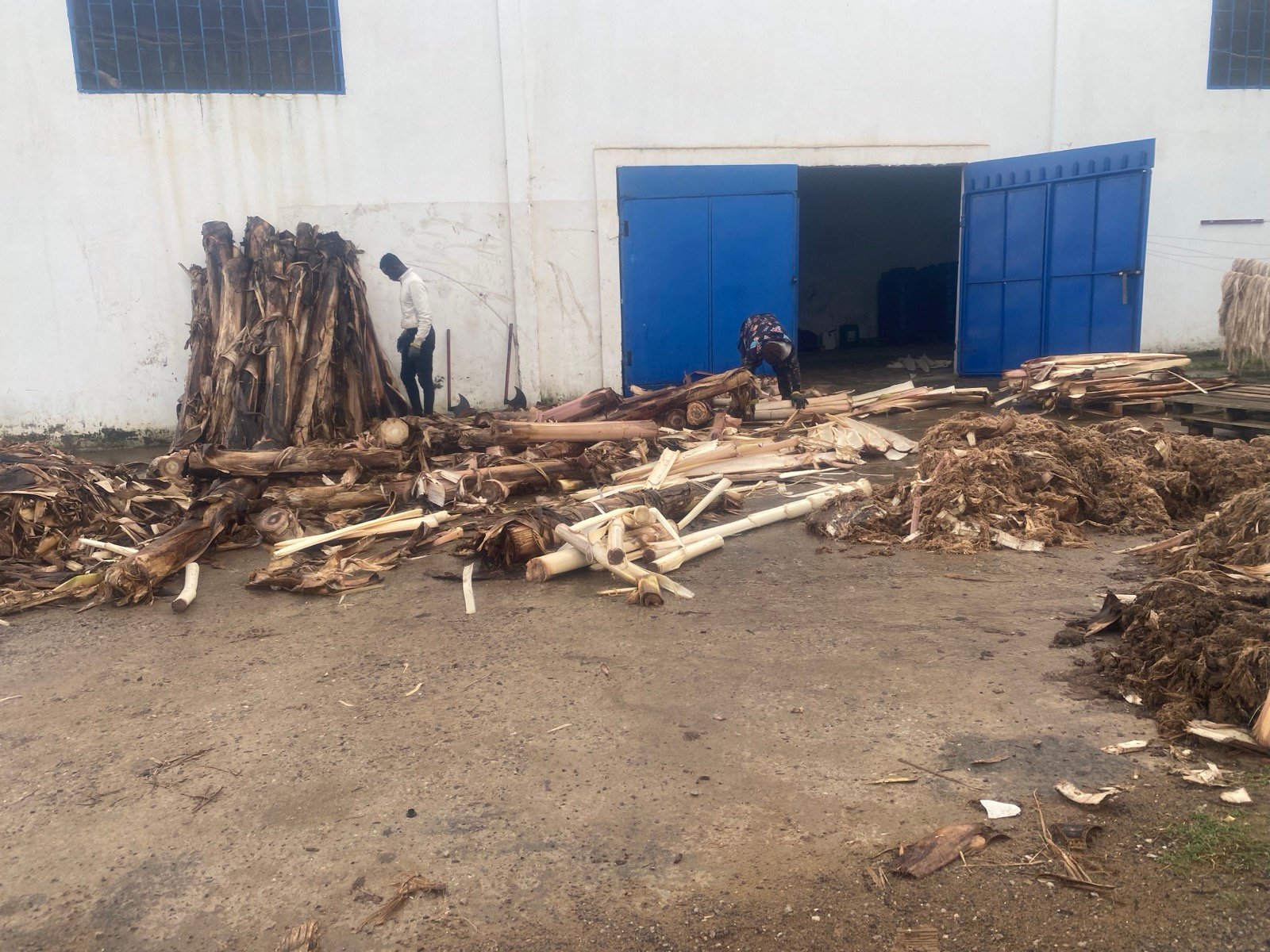
Our flagship product, BANANCO Industrial Banana Fibers are extracted from banana pseudostems using a proprietary mechanical extraction process enhanced by cold plasma treatment. This technology reduces chemical usage by 60% compared to conventional methods while achieving fiber properties comparable to sisal — one of the world's most valued natural fibers. Banana fibers offer exceptional tensile strength, lightweight characteristics, and natural biodegradability, making them an ideal sustainable alternative to synthetic fibers (glass fiber, polyester) and imported natural fibers (sisal, jute) in demanding industrial applications.
Specifications
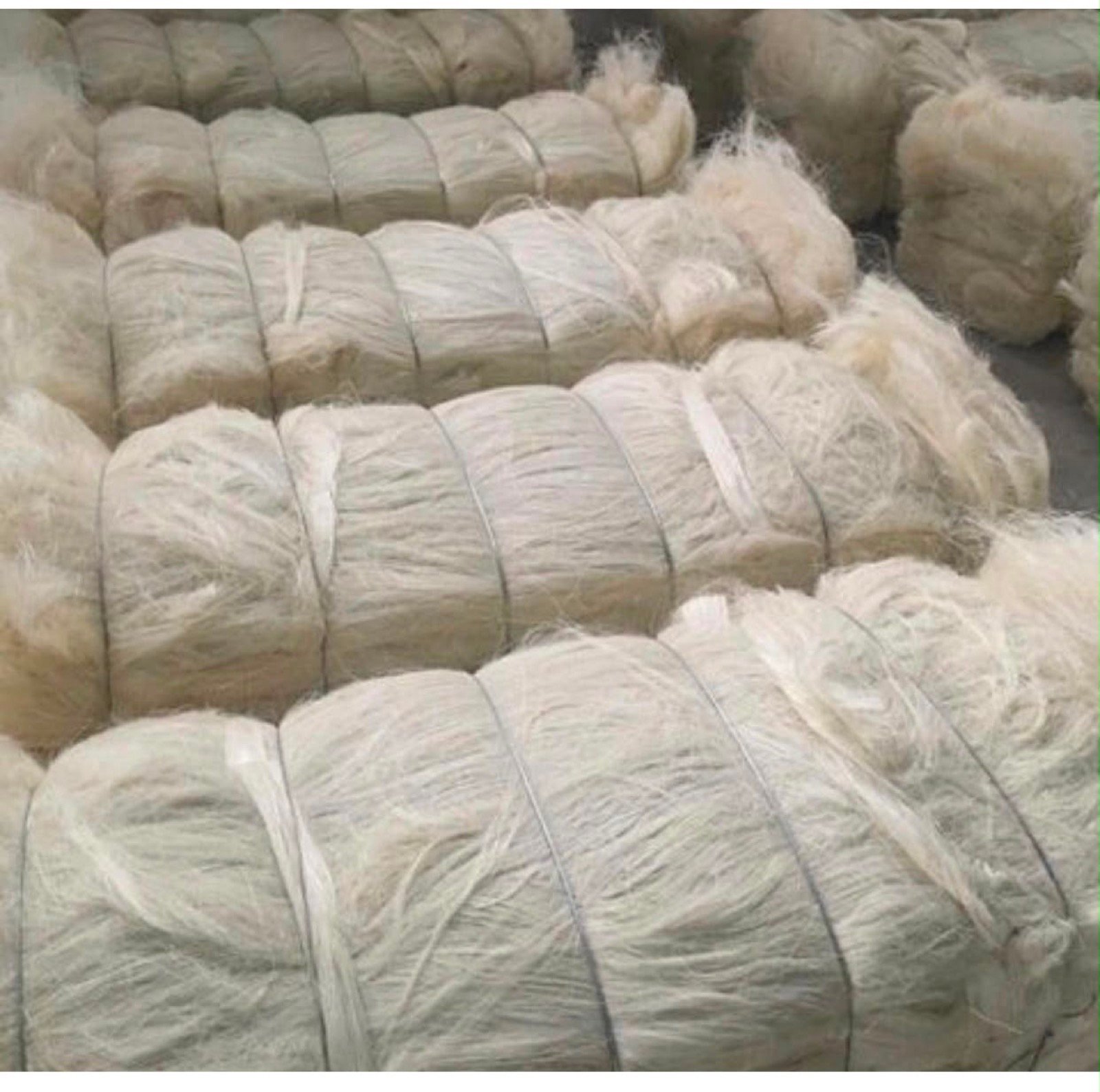
- Fiber Length: 1.5 – 3.5 meters (continuous)
- Tensile Strength: Comparable to sisal-grade (400-700 MPa)
- Extraction Yield: >2% (wet weight basis)
- Moisture Content: 8-12% (standard) / customizable
- Treatment: Cold plasma enhanced (60% less chemical usage)
- Packaging: 50kg bales, industrial rolls, or custom formats
Applications
🧵 Textile Industry
- Sustainable fabric blending (cotton-banana, polyester-banana)
- Technical textiles and industrial fabrics
- Non-woven materials for filtration and insulation
🚗 Automotive Industry
- Natural fiber reinforced composites (NFC) for interior panels
- Door trims, dashboard components, trunk liners
- Lightweight structural components (reduces vehicle weight by 15-20%)
🏗️ Construction Industry
- Fiber-reinforced concrete and cement composites
- Acoustic and thermal insulation panels
- Geotextiles for soil stabilization
📦 Packaging Industry
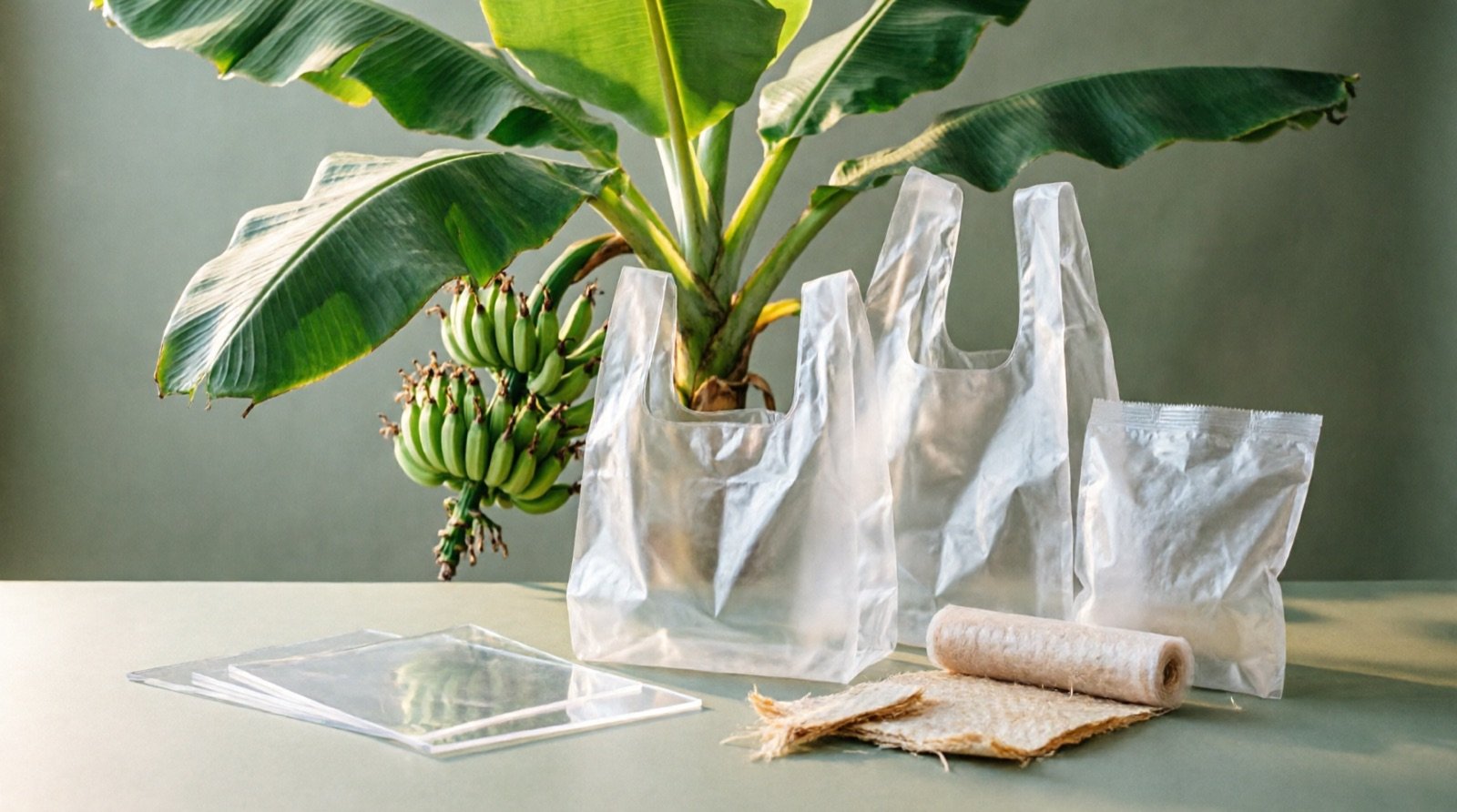
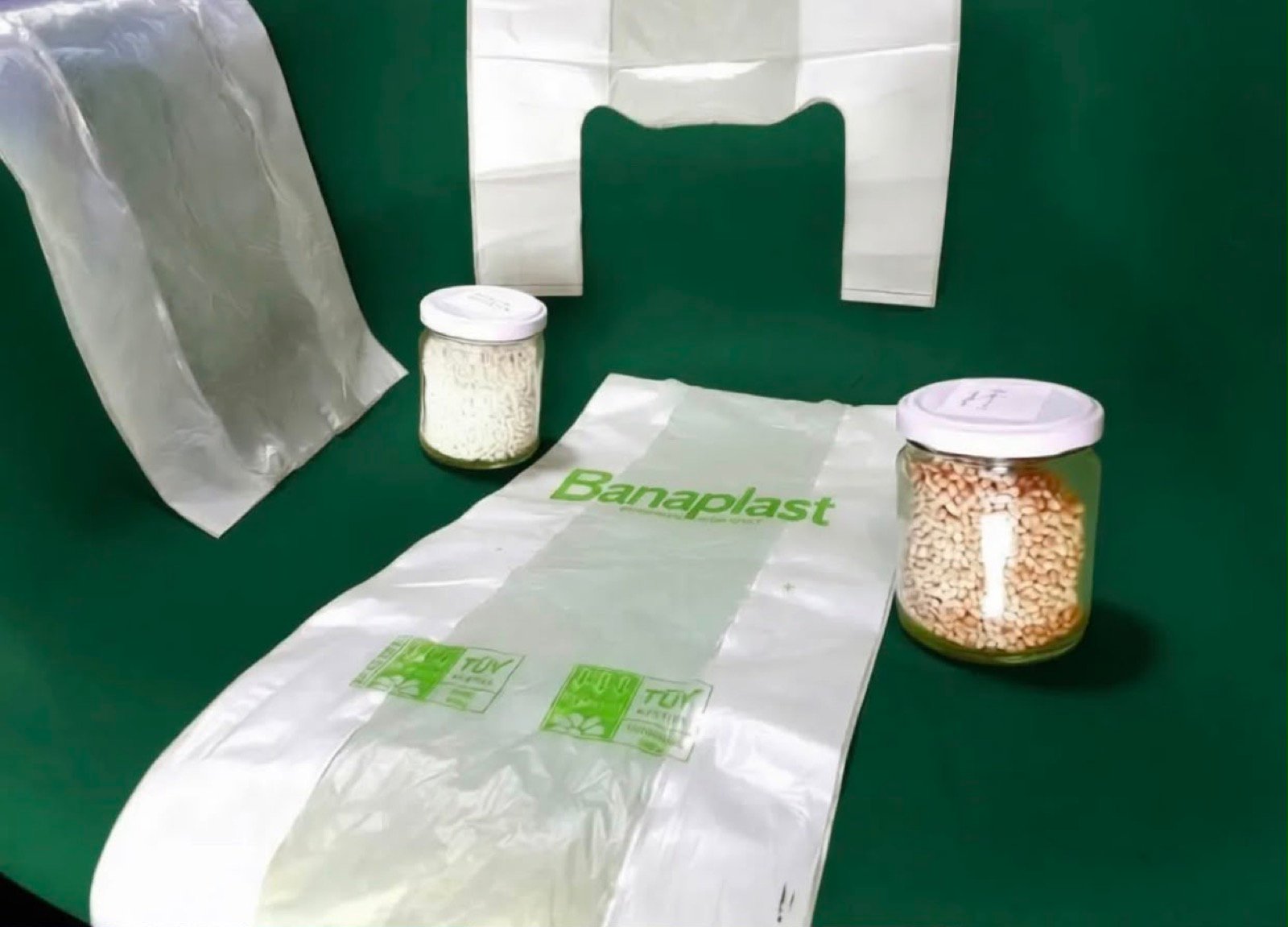
- Biodegradable packaging materials
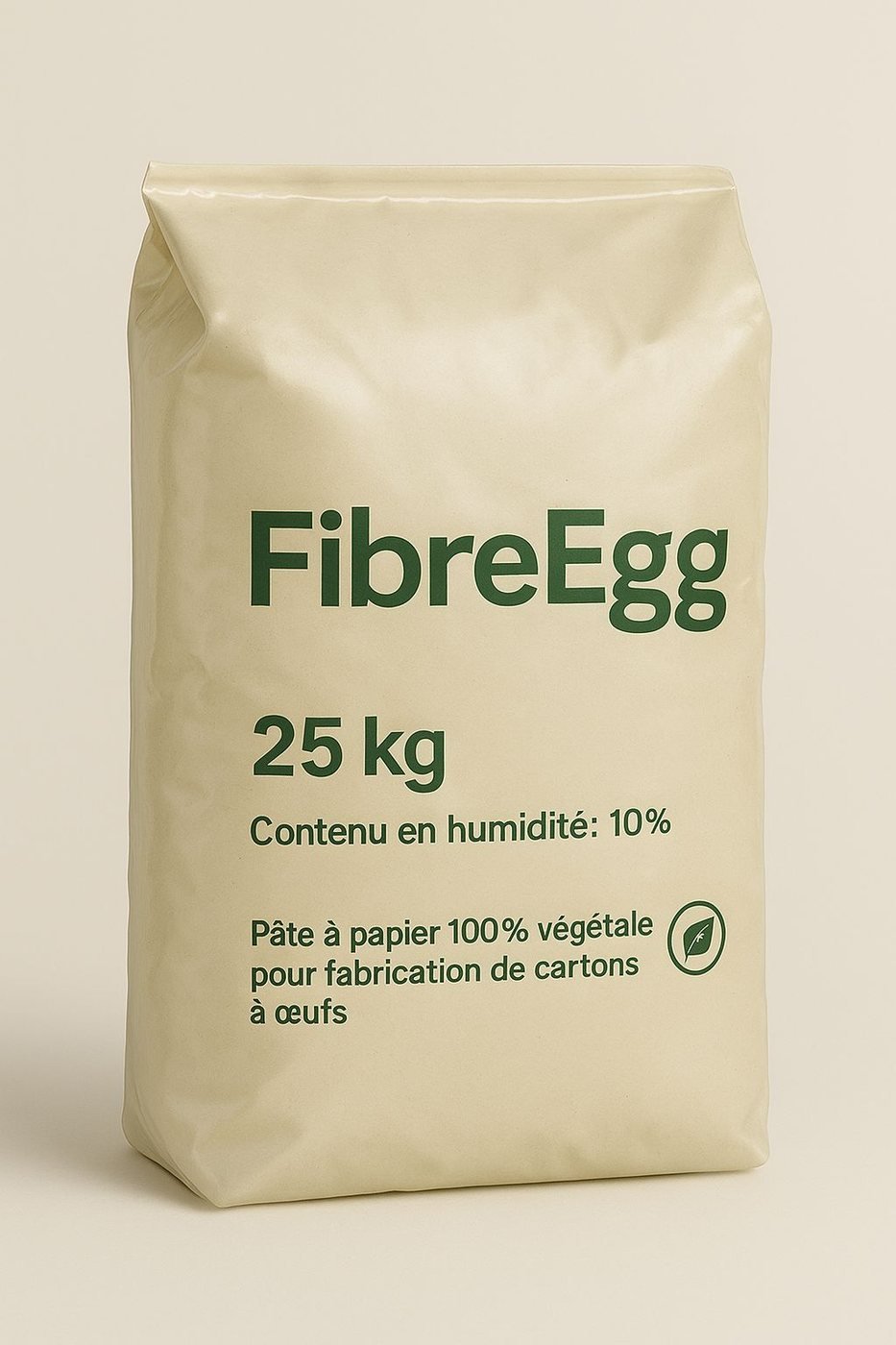
- Molded pulp products
- Sustainable cushioning and protective materials
Why BANANCO
- Sustainability: 100% biodegradable, zero-waste extraction process
- Consistency: Cold plasma treatment ensures uniform fiber quality batch after batch
- Cost-advantage: Sourced from agricultural waste, offering competitive pricing vs. imported sisal or synthetic alternatives
- Traceability: Full supply chain transparency from farm to factory
- Scalability: Current capacity of 200 tons/year, scaling to 2,000 tons/year by Year 3